
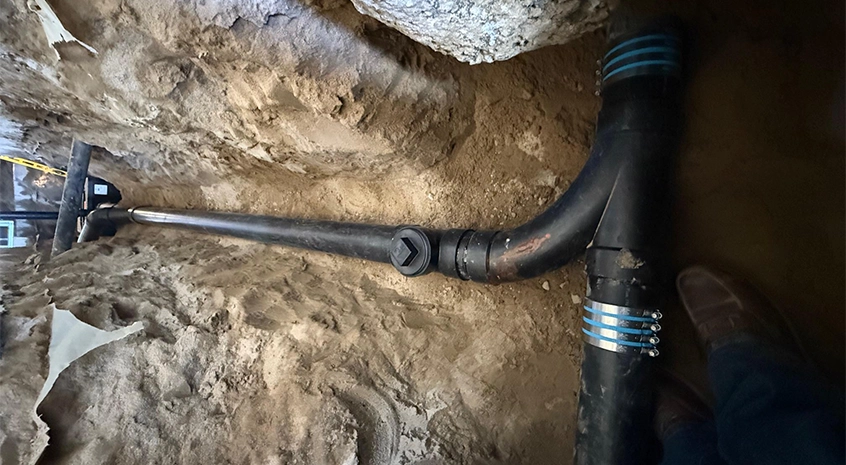
There is a silent mechanism in every house that moves water away, keeps things clean, and makes everyday living run smoothly. Your drains do a lot more than most people think. But what goes down those drains is still important. Small things you do every day may either keep everything running well or lead to expensive and irritating plumbing problems over time.
Knowing what you can safely pour down your drain offers you control, saves you money, and helps you avoid problems you didn’t anticipate. Even more, it keeps your house functioning smoothly, without any problems.
Why Your Drain Choices Matter More Than You Think
At first, a drain seems like a straightforward way for water and garbage to go. But your pipes are all linked, so they all work together to respond to anything you transmit through them. Certain materials cling, solidify, or build up in pipes over time.
This means that even tiny errors may cause drains to slow down, odors to become worse, or blocks to happen. Mindful behaviors, on the other hand, keep things moving smoothly, which means fewer repairs and less stress. That is where being aware of something makes a significant impact.
What’s Safe to Pour Down Your Drain
The best way to do things is to keep them simple. Your drains are designed to manage water and a few simple things. If you only use safe things, your pipes will stay safe, and your system will work well.
Everyday Items That Are Generally Safe
- Clean water
Water is exactly what your pipes are built for. It keeps everything moving and helps rinse away small particles. - Mild liquid soap
Regular dish soap or hand soap in normal amounts breaks down easily and does not cling to pipes. - Small amounts of food-safe liquids
Light liquids like broth or diluted juices can pass through without causing buildup. - Vinegar and baking soda (in moderation)
These are often used for basic cleaning. They can help freshen drains when used occasionally. - Boiling water (used carefully)
Hot water helps melt minor grease residue and clears light buildup. Still, it should not be overused in plastic pipes.
These safe options support a clean and free-flowing system. As a result, your plumbing stays efficient and reliable over time.
What Causes Trouble in Your Drains
Some things may seem safe, yet they might cause difficulties that aren’t obvious. People don’t anticipate many of these chemicals to break down. Instead, they cling together, harden, or gather with other trash.
Common Drain Troublemakers
- Grease, fats, and oils
These may look liquid when hot, yet they cool and turn solid inside pipes. Over time, they create thick blockages. - Coffee grounds
These do not dissolve. Instead, they settle and clump together, especially when mixed with grease. - Food scraps
Even small pieces can collect and stick inside pipes. Starchy foods like rice or pasta expand and worsen the issue. - Eggshells
The thin membrane inside shells sticks to pipe walls, while crushed pieces add to the buildup. - Hair
Hair binds with soap and grease, forming stubborn clogs in bathroom drains. - Paper towels and wipes
These items do not break down like toilet paper. They stay intact and block flow. - Harsh chemicals
Strong cleaners may seem helpful, yet they can damage pipes and create long-term issues.
Over time, each of these things makes the area within your pipes smaller. Because of this, water flows more slowly, pressure builds up, and issues become worse.
The Hidden Impact of Everyday Habits
Little things pile up fast. It may not be a problem right away if you pour oil down the drain once. But doing the same thing again and over again generates layers that slowly restrict your pipes.
It may also appear innocuous to rinse out food crumbs on a regular basis. But those small particles nevertheless mix with other things to make tough obstructions.
Because of this, being consistent is more important than being flawless. Making simple decisions every day may help you in the long run.
How to Keep Your Drains Healthy and Flowing
Taking care of your drains does not require complicated steps. A few mindful habits can protect your plumbing system for years.
Smart Habits That Make a Big Difference
- Let the grease cool and throw it in the bin.
This prevents it from entering your pipes in the first place. - Use a sink strainer.
It catches food scraps and prevents them from going down the drain. - Run hot water after using the sink.
This helps wash away minor residue before it builds up. - Dispose of coffee grounds in the trash.
Keeping them out of the sink avoids unnecessary buildup. - Clean drains regularly with safe methods
Mild cleaning keeps things fresh without damaging pipes. - Brush hair away from bathroom drains.
This reduces the chances of clogs forming.
These habits take very little effort. Still, they protect your home, reduce repair costs, and keep everything running smoothly.
Understanding the Long-Term Benefits
If you take care of your drains, you’ll see the advantages in your daily life. Water moves quicker, sinks keep clean, and bad smells stay away.
Also, you don’t have to deal with unforeseen plumbing problems that mess up your plans. This implies that your house will be more comfortable and less busy. You also make your plumbing system last longer, which is even more crucial. Pipes endure longer because they don’t have to struggle with deterioration or accumulation all the time.
The Role of Experience and Knowledge in Plumbing Care
There is a distinct pattern to plumbing experience. Small behaviors that go undetected are the start of most big problems. These behaviors pile up over time, putting pressure on things and eventually blocking them.
Professionals like Jamie Ripper have worked on residential and commercial plumbing for more than eight years. They know that little modifications may save big problems from happening.
This type of real-life experience backs up a basic principle. It is always simpler and cheaper to stop something from happening than to fix it.
Signs That Trouble May Already Be Building
Even with care, it helps to stay aware of early signs. Recognizing these signs allows you to act before problems grow.
- Slow-draining water
- Gurgling sounds from pipes
- Unpleasant odors from sinks
- Water is backing up unexpectedly
These signals often point to a buildup inside your pipes. Acting early keeps things under control and prevents larger issues.
A Cleaner Drain Means a Cleaner Home
Your drains are a crucial part of your everyday comfort, even if you don’t notice them. When they work well, everything feels easier. Your kitchen stays clean, your bathroom stays fresh, and your daily routine stays the same.
On the other side, drains that aren’t taken care of cause tension and trouble. That is why it is so important to be attentive and take care of things on a regular basis.
Final Verdict
One of the simplest ways to keep your house safe is to be careful about what goes down the drain. Small, thoughtful practices keep your plumbing system running efficiently, save you money, and stop issues that don’t need to happen.
A reputable company like R3 Plumbing LLC knows how important these basic steps are and how they can keep your house safe over time. They show how important it is to do things the proper way from the start since they have actual experience and want to get results that endure.